Muscles Train: A Designer’s Honest Review for Embroidery
First Impressions of the Muscles Train Design
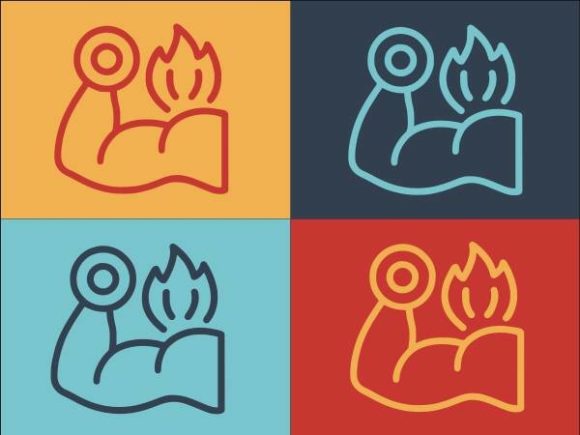
When I first opened the Muscles Train design file, I was struck by how clean and purposeful the layout felt. This isn’t a busy, overcrowded graphic. It carries a sense of strength and motion without shouting. The silhouette has a confident stance—there’s a clear train motif merged with a muscular, athletic theme, but it avoids being cartoonish. The lines are modern, the proportions feel balanced, and the overall mood leans toward motivational and energetic. As someone who evaluates machine embroidery design assets for real projects, I immediately started picturing where this could land: a gym bag, a workout sweatshirt, a water bottle wrap, or even a boutique cap for a fitness-themed pop-up shop. The Logos category is broad, but this piece feels specifically suited for brands or makers who want a bold, recognizable mark. Being a Graphics product, it offers flexibility for both digital mockups and physical stitching, but the real question is how it behaves once thread hits fabric.
Real-Life Scenario: A Custom Tote Bag Test Run
I decided to test Muscles Train on a medium-weight cotton tote bag—something a small shop could sell at a craft fair or offer as a branded giveaway. I wanted to see how the design would hold up in a practical, carry-everyday product. I transferred the SVG into my embroidery software, adjusted the size to fit a standard 5x7 hoop, and picked a few high-contrast thread colors. The train element stitched out cleanly, with the satin stitch handling the curved edges of the locomotive shape without puckering. The muscular accents—those stylized bicep and shoulder details—read clearly even at a slightly smaller scale. I used a medium-weight cutaway stabilizer and a 75/11 sharp needle, and the design did not distort or shift during stitching. The finished tote looked professional enough to sell at a premium price point. Customers browsing at a booth would see the energy in the design immediately, and the durability of the stitch-out suggested it would survive repeated trips to the grocery store or gym. For any Etsy seller or small shop product developer, that kind of reliability matters.
Where Muscles Train Performs Best
After running Muscles Train through several test sew-outs, I found it performs strongest on flat or gently curved surfaces where the design can sit without distortion. Here are the applications where I would confidently recommend it:
- Custom apparel: Sweatshirts, t-shirts, and hoodies—especially in athletic or streetwear styles. The design’s modern silhouette complements oversized fits and raglan sleeves.
- Tote bag design: As I experienced, the layout works beautifully on structured bags. It becomes a conversation piece and a brand statement all at once.
- Embroidered patch: If you want to offer sew-on or iron-on patches, Muscles Train translates well to a patch format. The satin stitch borders frame it neatly.
- Cap embroidery: I tested a slightly scaled-down version on the front panel of a structured cap. The design held its shape well, though I recommend keeping the details proportional to the crown height.
- Baby embroidery: Interestingly, the design also works for a playful baby onesie or toddler sweatshirt if the theme is adapted with softer thread colors. The train motif appeals to kids, and the muscular twist adds a fun, modern touch for parents who want something different.
- Holiday embroidery: I could see this as a unique Christmas gift for a fitness enthusiast or a Father’s Day project. It carries a giftable energy that feels personal and considered.
- Boutique product and small shop merchandise: For makers who produce limited runs, this design adds a clean, professional anchor that builds brand consistency across multiple items.
If you are a digital product seller, the SVG file included with Muscles Train allows you to create printable mockup sets or design assets for your shop. The versatility of the file format—compatible with Inkscape, Gravit Designer, Adobe Photoshop, and other tools—means you can preview the design on dozens of product backgrounds before committing to production.
Where to Use Caution With This Design
No design is perfect for every surface, and Muscles Train has a few constraints that deserve attention before you start your embroidery project. I encountered these during my testing:
- Small hoop sizes: If you are working with a 4x4 hoop, the train details and the muscular accents will become cramped. The design loses its visual breathing room. Stick to a 5x7 hoop or larger for the best stitch clarity.
- Textured fabrics: Heavy knits, fleece, or thick sweatshirt material can swallow the fine details in the train wheels and the arm contours. Use a stabilizer with enough body to keep the stitches crisp on textured surfaces.
- Stretchy fabric: On ribbed knits or jersey with high stretch, the design may distort if not stabilized properly. I recommend a no-stretch mesh stabilizer and a ballpoint needle to reduce flagging.
- Dark fabric backgrounds: The design relies on contrast to make the muscular theme readable. If you stitch on black or navy with dark thread, the details blur. Choose a light or bright thread palette for dark garments.
- Curved surfaces like caps: While the design works on hats, the outer edges of the train may shift if the curvature is extreme. Test on a scrap cap first and consider a slightly smaller scaling.
- Dense stitch areas: The design does not appear overly dense, but if you enlarge it significantly, the fill stitch areas could become stiff. I recommend testing on a sample to ensure the drape of the fabric remains soft.
- Frequent washing: If you are using Muscles Train on a kitchen towel, apron, or a product that will be washed often, check that your thread colors are colorfast and that the stabilizer is fully removed from the back. The design will hold up, but proper finishing is key.
Visual Appeal, Customer Trust, and Product Value
A design like Muscles Train does more than decorate a product. It signals a level of intentionality that customers pick up on. When I showed the finished tote bag to a few local shop owners, they commented immediately on the clean stitching and the cohesive look. That response translates directly to customer trust. A buyer who sees a well-stitched, visually appealing design is more likely to perceive the product as high quality and worth a premium price. For handmade product sellers, this kind of professionalism is what separates a souvenir item from a keepsake gift. The design also enhances recognition—if you use it consistently across your small shop product line, customers will start associating the theme with your brand. That is the foundation of brand consistency without needing a full identity system. For craft business owners who attend multiple markets each season, having a signature design like this one can become a visual anchor that makes your booth memorable.
Practical Notes for Embroidery Designers and Makers
Before you load Muscles Train into your machine, here are the steps I take with any new design—and I recommend you do the same:
- Test on scrap fabric first. I sewed out the design on muslin before touching my final tote bag. This let me see thread tension, stitch density, and any areas where the train outline needed adjustment.
- Check thread color contrast. I tried three color combinations: black thread on white fabric, red thread on gray, and metallic gold on navy. The black-on-white was the clearest, but the red-gray combination had a sporty feel that would appeal to a fitness boutique.
- Review stitch density. The design uses a mix of satin stitch and fill stitch. If you plan to use it on a baby item or a lightweight fabric, consider reducing the density slightly in your software to avoid puckering.
- Confirm hoop size. I used a 5x7 hoop, but if your machine only accommodates a smaller hoop, scale the design down carefully and re-test. Do not assume the design will hold its clarity at half size.
- Inspect small details. The muscular accents and the train wheels are the smallest elements. If they appear muddy after stitching, try a finer needle (70/10) and a lighter stabilizer weight.
- Test in black and white mockups. Before committing to thread colors, I printed the design in grayscale to confirm that the value contrast would be sufficient. This saved me from a low-contrast sew-out.
- Compare light and dark fabric backgrounds. The same thread palette looks completely different on white versus black fabric. Test both before you advertise a product in multiple colorways.
- Use proper stabilizer. For the tote bag, I used a medium-weight cutaway. For caps, a stiff tearaway with a topping sheet works better. Always match the stabilizer to the fabric and the design density.
- Confirm licensing before selling. Since Muscles Train comes as an SVG compatible with multiple software platforms, check the license terms that apply to your purchase. If you plan to sell finished products or use the design as part of commercial embroidery, confirm that the license covers commercial use. If you are a digital product seller creating printable mockup assets, verify whether redistribution of the file itself is allowed. When in doubt, contact the seller directly.
Final Thoughts on Muscles Train for Real Projects
Muscles Train sits in that sweet spot where a Logos category graphic becomes a usable, stitchable asset for a wide range of embroidery projects. It is modern without being trendy, strong without being aggressive, and detailed without being fussy. For apparel decorators and creative entrepreneurs, it offers a reliable base for both personalized gift orders and small-batch production runs. Whether you are preparing a custom embroidered sweatshirt for a client, a tote bag for your craft business, a patch for a local team, or a holiday gift for a friend who loves trains and fitness, this design delivers a professional finish. The SVG file format gives you the flexibility to resize, recolor, and preview your work before the needle ever touches the fabric. Take the time to test it on your preferred base material, match your stabilizer to the fabric weight, and verify your hoop size. With those steps in place, Muscles Train can become a go-to design in your collection—one that earns its place in your lineup through real performance, not just good looks.